

August 27, 2026
Hardcover, Paperback or Ebook: Understanding the Business Behind the Format
The next time you see a hardcover and a paperback of the same book sitting side by side in any shelf or bookstore, look a little closer. They contain the same words, tell the same story and carry the same author's name.
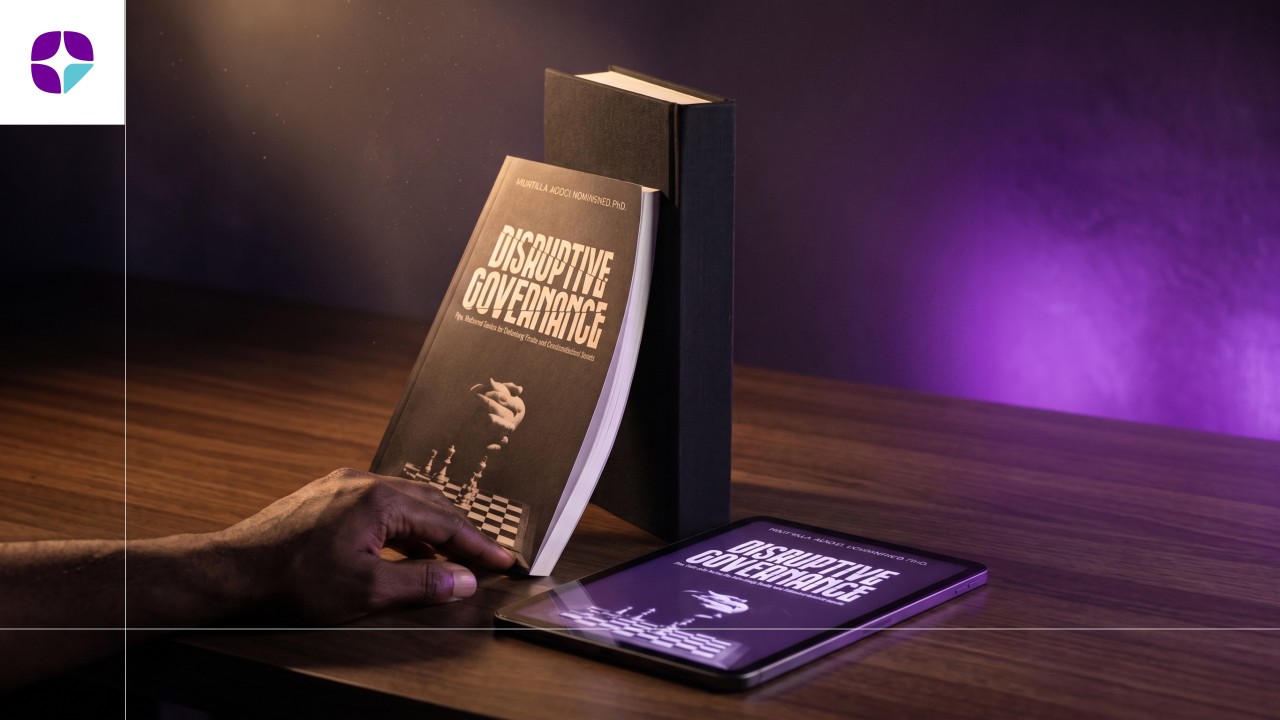
The next time you see a hardcover and a paperback of the same book sitting side by side in any shelf or bookstore, look a little closer. They contain the same words, tell the same story and carry the same author's name. Yet the former may cost twice or even thrice as much as the latter.
Why?
The obvious answer is paper, binding and production. But that only explains part of the story. Behind every format is a decision about who the book is for, how it will be sold, when it will reach the market, and what readers are willing to pay for it. Even the humble paperback has a fascinating history of changing who gets to read—and how books become businesses.
So, what are you really paying for when you buy a book?
To answer that, we have to go back to where the modern paperback began.
The Paperback Changed the Economics of Reading
For much of publishing history, books were expensive objects. They were produced to be durable, collected and preserved, rather than casually picked up for a few hours on a train.
Then, in 1935, Allen Lane launched Penguin Books in Britain. The idea was radical for its time: produce well-designed books that ordinary people could afford.
Penguin's early books were sold for six pence—the price of roughly a packet of cigarettes—and were deliberately made portable and accessible.
The paperback was not simply a cheaper version of the hardcover. It was a total reimagining of how a book was built, marketed, and sold. Allen Lane revolutionized the publishing industry by transforming the paperback from a poorly made "pulp" product into a high-quality, reputable brand. It represented a different publishing proposition. Books could now travel beyond libraries, drawing rooms and private collections. They could be bought almost as casually as a newspaper.
That shift still shapes the way publishers think about formats today.
So, Why Does the Hardcover Come First?
Walk into many major bookstores and you'll notice a familiar pattern—a major new title arrives in hardcover. Months later, or even contemporaneously, a paperback edition appears at a lower price, hobnobbing with already existing hardbacks.
This is sometimes called windowing: different editions are released at different points to reach different segments of the market.
Think about a cinema release. Some people will pay more to see a highly anticipated film immediately. Others are perfectly happy to wait until it reaches a cheaper platform, take Netflix for example.
Publishing can work in much the same way. The hardcover can serve readers who want the book immediately, collectors who value the physical object, and institutions such as libraries that may prioritise durability. The later paperback can then broaden access to readers who are more price-conscious.
Neither format is inherently better. They are often designed to serve different purposes and different readers.
But a Hardcover isn’t Just a Paperback with Cardboard
This is where the economics becomes interesting.
A hardcover generally requires more materials and more involved binding than a standard paperback. It may include rigid boards, a dust jacket or printed case, heavier paper and more durable construction. That increases production, storage and shipping costs. But the retail price is not simply a calculation of:
“This book cost ₦X more to manufacture, therefore it costs ₦X more to buy.”
In principle, a book's price also reflects the economics surrounding it. Before a book reaches a shelf, money has already gone into editing, design, typesetting, printing, marketing, distribution, warehousing and other publishing activities. The publisher is also making decisions about who the book is for, when it should be released and how much that audience is likely to pay. That is why two physically different editions of the same book can have dramatically different prices.
And then there is the Nigerian reality..
This is where the conversation becomes particularly interesting for us. In a market where readers are highly conscious of price, a publisher has to balance quality with accessibility, just like what Allen Lane intended.
A ₦25,000 hardcover may be desirable to one reader but completely inaccessible to another. That is one reason paperbacks remain such an important format in African publishing.
You may also have noticed another interesting compromise: the high-quality paperback, sometimes with features such as French flaps, which give the book a more substantial and premium feel without making it a full hardcover production.
The question is not always, “What is the most luxurious format we can produce?”
Sometimes the better question is:
“What format allows this book to reach the people who need to read it?”
That is a publishing decision, not a money-making strategy.
The Ebook Complicates the Question even Further
Then came the ebook.
At first glance, its economics seem obvious.
No paper. No printing. No warehouse. No physical delivery.
So why isn't every ebook free—or almost?
Because printing is only one part of the cost of publishing a book. The manuscript still needs to be developed and edited. The cover still needs to be designed. The text needs to be formatted for digital reading. The book still needs to be marketed, distributed and sold through a platform.
The physical object disappears.
The publishing process does not.
And the ebook introduces something physical books cannot offer in quite the same way: immediate global delivery without putting another copy into a warehouse or shipping network.
Stephen King Understood Something Important About Format
One of the most fascinating examples of this comes from Stephan King's The Green Mile.
In 1996, the novel was released as six separate paperback installments, published roughly a month apart, rather than as one conventional volume. Readers had to return for the next instalment. That was not simply a decision about how to bind the book.
It changed the reading experience and the commercial rhythm of the release. King was essentially using format as part of the publishing strategy. And that is the bigger lesson: A book's format can be part of its marketing.
So What Format Should Authors/Readers Choose?
There is no universal answer.
A hardcover might make sense for a book positioned as a premium object, a collectors edition, a major launch title or a book expected to have long institutional life.
A paperback may make more sense when affordability, portability and wider distribution are priorities.
An ebook can remove geographical and logistical barriers and give readers immediate access.
And many successful books exist in all three formats because the formats are not necessarily competing with one another. They can work together. In fact, they should work together where possible. The hardcover captures the early market. The paperback expands accessibility. The ebook expands convenience and reach.
One book. Different doors into it. Maximum satisfaction.
What this Means for Authors
This is the part authors sometimes overlook. When you are publishing your book, the question should not simply be: “Hardcover or paperback?”
It should be:
- “What am I trying to achieve with this edition?”
- Who is the reader?
- What can they realistically afford?
- Where will the book be sold?
- Is the physical experience important to the book's positioning?
- Does the launch require a premium edition?
- Would a lower-priced paperback help the book reach more people?
- Should there be an ebook for readers outside your immediate market?
These are not merely production questions, they are publishing strategy questions.
A book is not just a manuscript between two covers. Every decision—from format to pricing to distribution—affects how that book enters the world. And perhaps that is the real reason two books containing exactly the same words can have very different prices. You are not only buying the words. You are buying a particular way of bringing those words to a reader.
At Clasier, we believe authors deserve to understand those decisions—not simply make them. Because publishing well begins long before the book reaches the shelf.
…